School Pest Control Karachi: Safe, Expert Plan for Campuses
By Pest Tech TeamPublished 6 min readCommercial
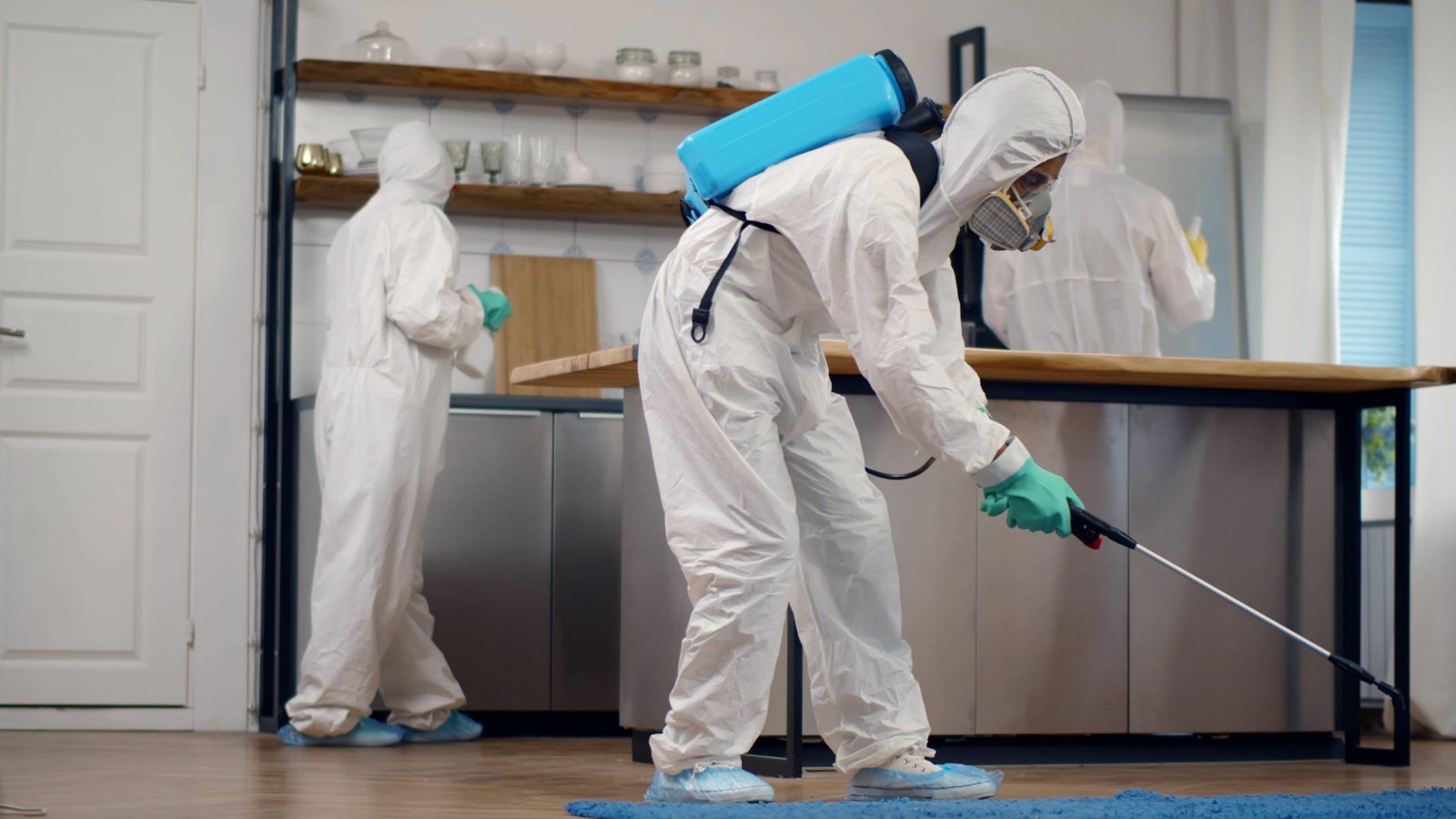
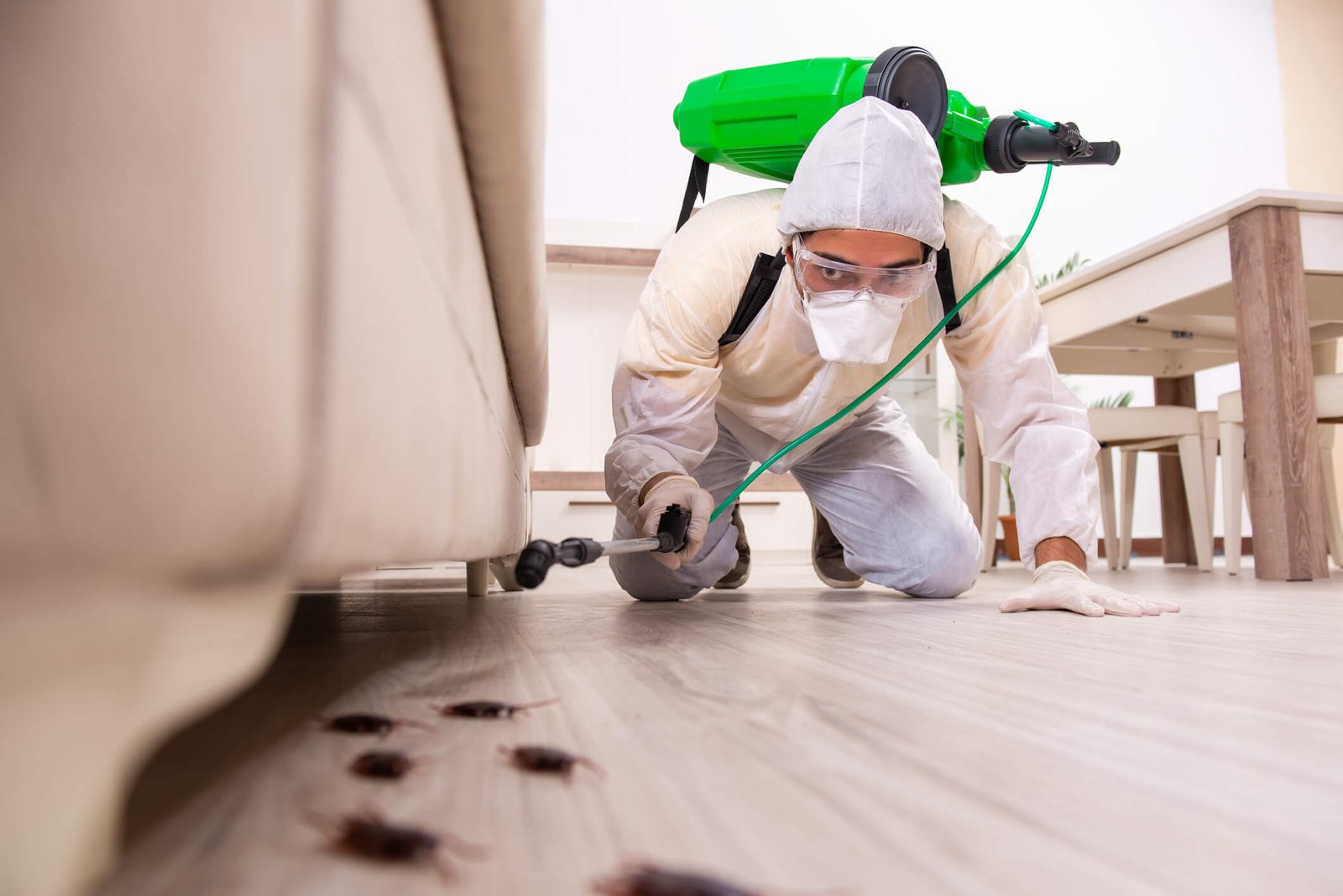
Schools have everything pests need: food in canteens and lunch boxes, water in washrooms and tanks, paper in libraries and stores, and large grounds. They also have hundreds of children who must not be exposed to chemicals. School pest control Karachi campuses can rely on balances both — and it is built around the school calendar. This guide covers scheduling, canteens, playground mosquitoes, records and child-safe methods.
School pest control Karachi: the common problems
| Area | Common pests | Why |
|---|---|---|
| Canteen and kitchen | Cockroaches, flies, rodents, ants | Food, water, waste |
| Classrooms | Ants, cockroaches, occasionally bed bugs in hostels | Food in desks and bags |
| Washrooms | American cockroaches, drain flies | Drains and moisture |
| Library and stores | Termites, silverfish, rodents | Paper, cardboard, wooden shelves |
| Playgrounds and gardens | Mosquitoes, red ants, bees and wasps | Standing water, lawns, trees |
| Roofs and tanks | Mosquitoes, pigeons | Water tanks, blocked drains |
| Wooden furniture and doors | Termites, wood borer | Damp and soil contact |
Scheduling around the school calendar
Children should never be in areas being treated. Good scheduling makes this easy:
- Weekends for regular treatments of classrooms, canteens and washrooms.
- After school hours for gel placements and quick drain treatments.
- Winter and summer holidays for termite drilling, deep treatments and fogging.
- Before the new term for a full inspection and treatment, so the school opens clean.
- Before and after the monsoon for mosquito control of grounds and roofs.
Treated rooms should be dry and ventilated before children return. A written re-entry time from the contractor should be shared with the administration.
Commercial Pest Control
Commercial pest control in Karachi: monthly AMC plans for offices, restaurants, factories, schools. Audit-ready reports, 21 years. Free survey on WhatsApp.
Canteens: monthly attention
Canteens are subject to the same risks as any food business. Plan for:
- Monthly professional service with gel, drain treatment and rodent station checks.
- Daily cleaning after the last break, with no food left out overnight.
- Covered bins, emptied daily.
- Food stored off the floor in sealed containers.
- Screens or strip curtains on kitchen doors.
If the canteen is run by a contractor, make pest control part of their agreement — or include it in the school's own contract. Our restaurant pest control checklist applies well to school kitchens.
Playground mosquitoes and dengue
Aedes mosquitoes, which spread dengue, bite during the day — exactly when children are at school. Karachi's dengue season peaks after the monsoon, from September into November.
Schools should:
- Walk the grounds and roofs weekly to empty anything holding water: tyres, buckets, broken fountains, plant saucers, old furniture.
- Check water tanks for tight lids and mesh on vents.
- Clear roof drains and gutters.
- Schedule residual treatment of shaded resting areas and larviciding of drains during holidays or weekends.
- Encourage long sleeves and repellent (per label) for children in peak months.
Our guide to dengue season in Karachi explains why the post-monsoon months need attention.
Child-safe methods
- Gel bait and bait stations instead of open spraying in classrooms and canteens.
- Tamper-resistant rodent stations, fixed in place and locked — never loose poison.
- Crack-and-crevice treatment into hidden gaps rather than across surfaces.
- Fogging only when the school is empty, with time to ventilate.
- Products used per label, with safety data sheets available to management.
Our guide on whether pest control is safe for kids explains re-entry times and preparation in more detail.
Records for management
School management, trustees and parents increasingly want evidence that pest control is done safely. Keep:
- The service contract and schedule.
- A report after every visit: date, areas treated, products used, findings, recommendations.
- A rodent station map.
- Safety data sheets for all products.
- A sighting log where staff record pests seen.
- Termite treatment certificates for buildings.
A tidy file also helps if a parent raises a concern — you can show exactly what was done and when.
Termites in libraries, stores and wooden furniture
Older school buildings often have wooden doors, shelving, desks and stage floors, plus stores full of paper and cardboard — ideal for termites. Damage is usually found late, during a holiday clean-out. Ask your contractor for a termite inspection at least once a year, ideally before the pre-monsoon swarming season, and include:
- Library shelving and the backs of cupboards against walls.
- Store rooms holding exam papers, books and old furniture.
- Door frames at floor level, especially near washrooms.
- Stage and hall floors.
If treatment is needed, drill-fill-seal work should be scheduled for the long holidays so drilling, dust and drying do not disturb classes. Our guide to termite signs in furniture helps staff know what to report.
Staff roles and communication
A school pest plan works best when a named person owns it — often the administrator or estate manager. Their role:
- Keep the contract, schedule and file up to date.
- Collect sighting reports from teachers, canteen staff and guards.
- Walk the roof and grounds weekly during the monsoon and dengue season.
- Inform parents before major treatments, with the date and re-entry time.
- Follow up on the contractor's recommendations, such as sealing gaps or repairing drain covers.
Teachers can help by asking children not to leave food in desks and by reporting ants, cockroaches or rodent droppings promptly.
Our experience with schools
Pest Tech serves Beaconhouse School System branches in Karachi, so we understand the need for child-safe methods, careful scheduling around the academic calendar and clear reporting to management.
Hostels and boarding facilities
Schools with hostels face bed bugs as well. Regular mattress inspections, fast isolation of affected rooms and two-visit treatments are essential. Our guide to bed bugs in hostels and apartments covers the approach.
Annual contracts for schools
Most schools benefit from an annual contract with visits every one to three months, monthly canteen service, rodent monitoring and seasonal mosquito treatment. Use the commercial fumigation AMC estimator for a first estimate. Our commercial fumigation service covers schools, colleges and universities.
During classes: what is allowed?
Routine treatment should not happen while children are in class. If an urgent problem arises during the school day — for example a bee hive or a rodent sighting — the area should be closed off and handled with methods that do not involve spraying near children, with full treatment scheduled after hours.
The World Health Organization's dengue fact sheet explains the daytime-biting Aedes mosquito and the importance of removing breeding sites — directly relevant for school grounds.
Talk to Pest Tech
Send us your campus size, number of buildings and any current concerns on WhatsApp, and we will propose a plan built around your academic calendar. Pest Tech has served schools and businesses in Karachi since 2005.
Frequently asked questions
Can pest control be done during classes?
Routine treatment should not be. Schedule it for weekends, after hours or holidays. Urgent problems during the day are closed off and handled without spraying near children.
What chemicals are used in schools?
Gel baits, tamper-resistant rodent stations and targeted crack-and-crevice products applied per label. Safety data sheets should be given to management.
How often should schools have pest control?
Usually every one to three months for buildings, monthly for canteens, and extra mosquito treatment before and after the monsoon.
How can schools reduce dengue risk?
Weekly checks of grounds and roofs for standing water, covered tanks, clear drains, and residual and larvicide treatment scheduled outside school hours.