
Bed Bug Heat Treatment: Honest Guide vs Chemical Methods
By Pest Tech TeamPublished 6 min readBed Bugs
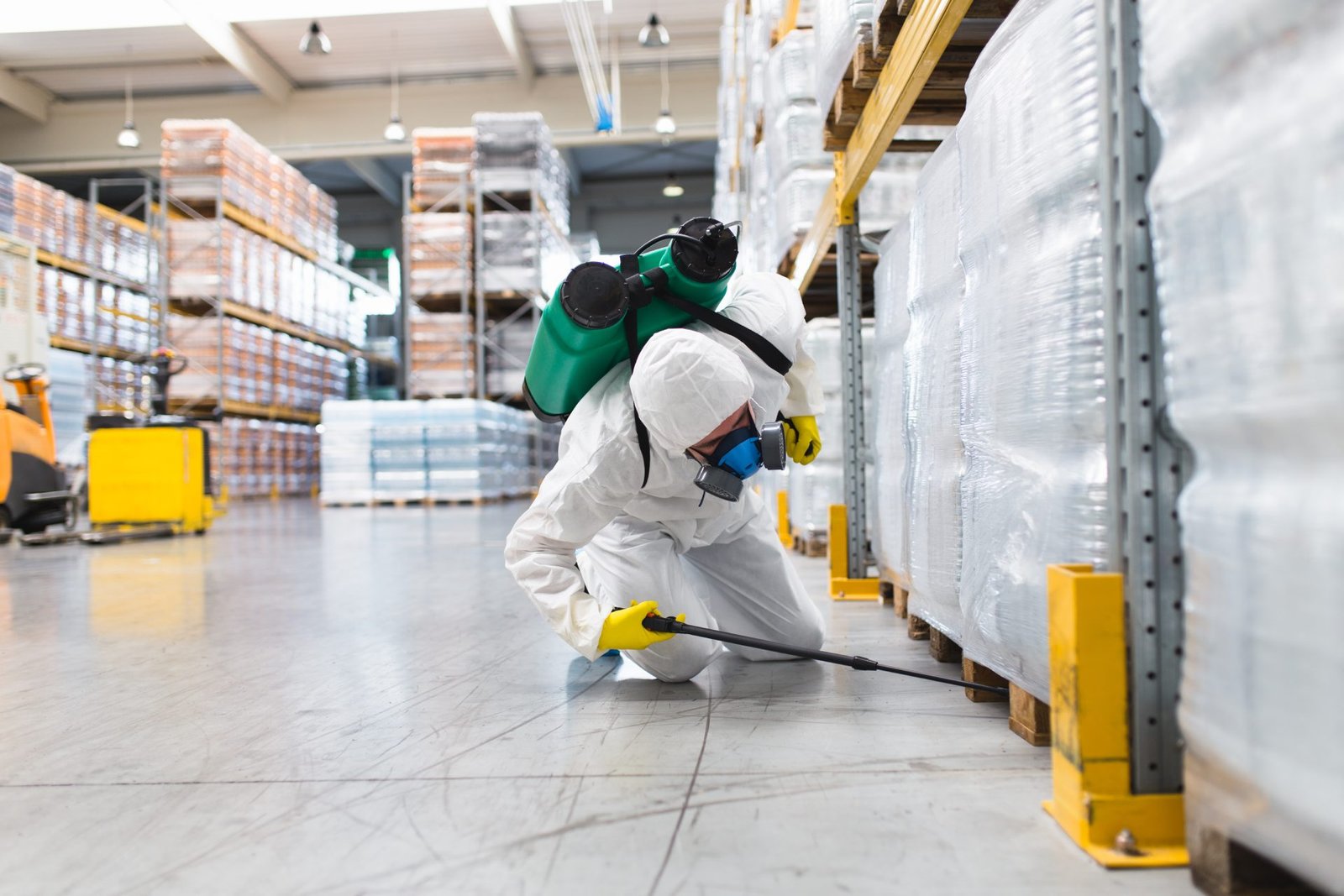
Bed bugs (khatmal) are famous for surviving treatments. Many families have heard that heat is the answer — that bed bugs cannot survive high temperatures. That is true, but it is only part of the story. This guide explains how bed bug heat treatment works, its limits in Karachi homes, how steam fits in, how chemical treatment and insect growth regulators work, and the combination that gives the best result.
How bed bug heat treatment works
Bed bugs and their eggs die when exposed to high enough temperatures for long enough. Heat has two big advantages over chemicals:
- It kills eggs, which most chemical treatments do not.
- Bed bugs cannot become resistant to heat the way they can to some insecticides.
The challenge is getting the heat everywhere bed bugs hide — deep inside mattresses, inside wooden bed frames, behind skirting, inside sockets and in wall cracks — and keeping it there long enough.
Whole-room heat treatment
In some countries, specialist companies heat an entire room or home with large heaters and fans, monitoring temperatures with sensors until every spot reaches a lethal level. This can clear an infestation in a single day, but it needs expensive equipment, a strong electrical supply and careful protection of heat-sensitive items. In Karachi, this kind of equipment is rarely used in homes.
Bed bug heat treatment in Karachi homes: practical methods
What most households can use is local heat:
| Method | What it treats | Notes |
|---|---|---|
| Hot washing | Bedding, clothes, curtains, soft toys | Use the hottest water safe for the fabric |
| Hot dryer | Washed items; some shoes and bags | A hot dryer cycle is very effective |
| Strong sun in sealed black bags | Small items that cannot be washed | Works only if the inside reaches high heat for hours; not reliable on cloudy days |
| Steam | Mattress seams, sofas, bed frames, carpets, curtain folds | Slow, careful passes; very effective on contact |
| Iron | Seams of bedding and clothing | Useful for small areas; not for mattresses |
Bed Bug (Khatmal) Treatment
Khatmal (bed bug) treatment in Karachi: 2 visits so eggs and adults are both treated. Homes, hostels and hotels since 2005. WhatsApp for a free inspection.
Steam: the most useful heat tool
Professional steamers produce dry steam at high temperature that kills bed bugs and eggs on contact. Used correctly:
- The nozzle moves slowly — a few centimetres per second — along seams, tufts and joints.
- Too fast, and the heat does not penetrate; too close with wet steam, and the fabric soaks, which can cause mould.
- Steam reaches seams and surfaces, but not deep inside walls, sockets or thick wooden frames.
Steam is excellent for mattresses and sofas, where chemicals are used more sparingly. But on its own, it misses hiding places it cannot reach.
The limits of heat
- Hidden spots. Local heat cannot reach inside walls, sockets and deep cracks where bed bugs hide.
- No residual effect. Once the heat is gone, a bed bug arriving from a hiding place or a neighbouring flat is not affected.
- Sun is unreliable. Many families put mattresses in the sun; the surface gets hot, but the inside often does not reach a lethal temperature for long enough.
- Damage risk. Some materials — electronics, plastics, wax and delicate fabrics — can be damaged by high heat.
Chemical treatment and insect growth regulators
Professional chemical treatment targets the places heat cannot reach:
- Residual insecticides applied into cracks, crevices, bed frame joints, skirting, sockets and furniture seams keep working for weeks, killing bugs that emerge from hiding.
- Insect growth regulators (IGRs) disrupt the development of nymphs so they cannot mature and breed.
- Dusts in wall voids and sockets, where liquids are not suitable.
The weakness of chemicals is that most do not kill eggs, and some bed bug populations are resistant to certain products. That is why chemical treatment needs a second visit about two weeks later, after eggs have hatched. Our khatmal treatment guide explains the two-visit method.
The best combination
The most reliable approach combines heat and chemical treatment:
- Hot wash and dry all bedding, clothes and curtains from affected rooms; seal them in bags.
- Steam mattresses, sofas, headboards and bed frames, paying attention to seams and joints.
- Chemical treatment of cracks, crevices, skirting, sockets, furniture joints and bed frames, with an IGR.
- Second visit after about two weeks to steam and treat again.
- Encasements on mattresses and pillows after treatment.
- Monitoring for several weeks.
Our bed bug treatment service uses this integrated approach. For an estimate for your home, try the pest control cost calculator.
Preparing for a combined treatment
- Strip beds and wash everything in the hottest water the fabric allows; dry on high heat or in strong sun, then seal in clean bags.
- Clear clutter from under and around beds and sofas.
- Empty bedside drawers and bag the contents.
- Move beds a little away from walls so every side can be reached.
- Do not spray market insecticides before the visit.
- Tell the technician about electronics, antiques or delicate fabrics that should not be steamed.
On the day, steam and chemical treatment are usually done in the same visit, so plan to stay out of treated rooms until they are dry.
Is washing enough?
Washing and drying kills bed bugs in fabrics, but it does not treat the bed, furniture or room. It is an important part of treatment, not a treatment on its own.
Can I just iron or put things in the sun?
Ironing is useful for seams of bedding and clothes. Sun can help small items in sealed black bags on very hot days, but it is unreliable for mattresses. Neither reaches bed bugs hiding in furniture and walls.
Apartment buildings
In flats, bed bugs move between neighbours through walls and sockets. Heat treatment of one flat will not stop re-infestation from next door. See our guide to bed bugs in apartments in Karachi for building-wide coordination — common in blocks in areas such as Gulshan-e-Iqbal.
The US EPA's guide to integrated pest management for bed bugs explains why combining heat, non-chemical steps and targeted treatment works best, and the National Pesticide Information Center has a clear bed bug information page.
Talk to Pest Tech
Send us photos of the bugs or signs on your mattress on WhatsApp. We will confirm whether it is khatmal and recommend the right combination for your home. Pest Tech has treated bed bugs in Karachi homes, hostels and hotels since 2005, and every bed bug job includes the follow-up visit. Written guarantee on every treatment — if pests return within the warranty period, we re-treat at no extra cost.
Frequently asked questions
Is washing enough to get rid of bed bugs?
Hot washing and drying kills bed bugs in fabrics, but it does not treat the bed, furniture or room. It is one part of treatment, not the whole treatment.
Does putting a mattress in the sun kill bed bugs?
The surface may get hot, but the inside of a mattress rarely reaches a lethal temperature for long enough. Steam and targeted treatment are more reliable.
Can I iron bedding to kill bed bugs?
Ironing seams of bedding and clothes helps for small areas, but it does not reach bugs in mattresses, furniture or walls.
Why combine heat with chemical treatment?
Heat kills eggs and bugs it reaches but has no lasting effect. Residual products and growth regulators reach hidden places and keep working, so together they give the best result.