Pest Control Before Moving: Essential Checklist for a Safe Start
By Pest Tech TeamPublished 6 min readGuides
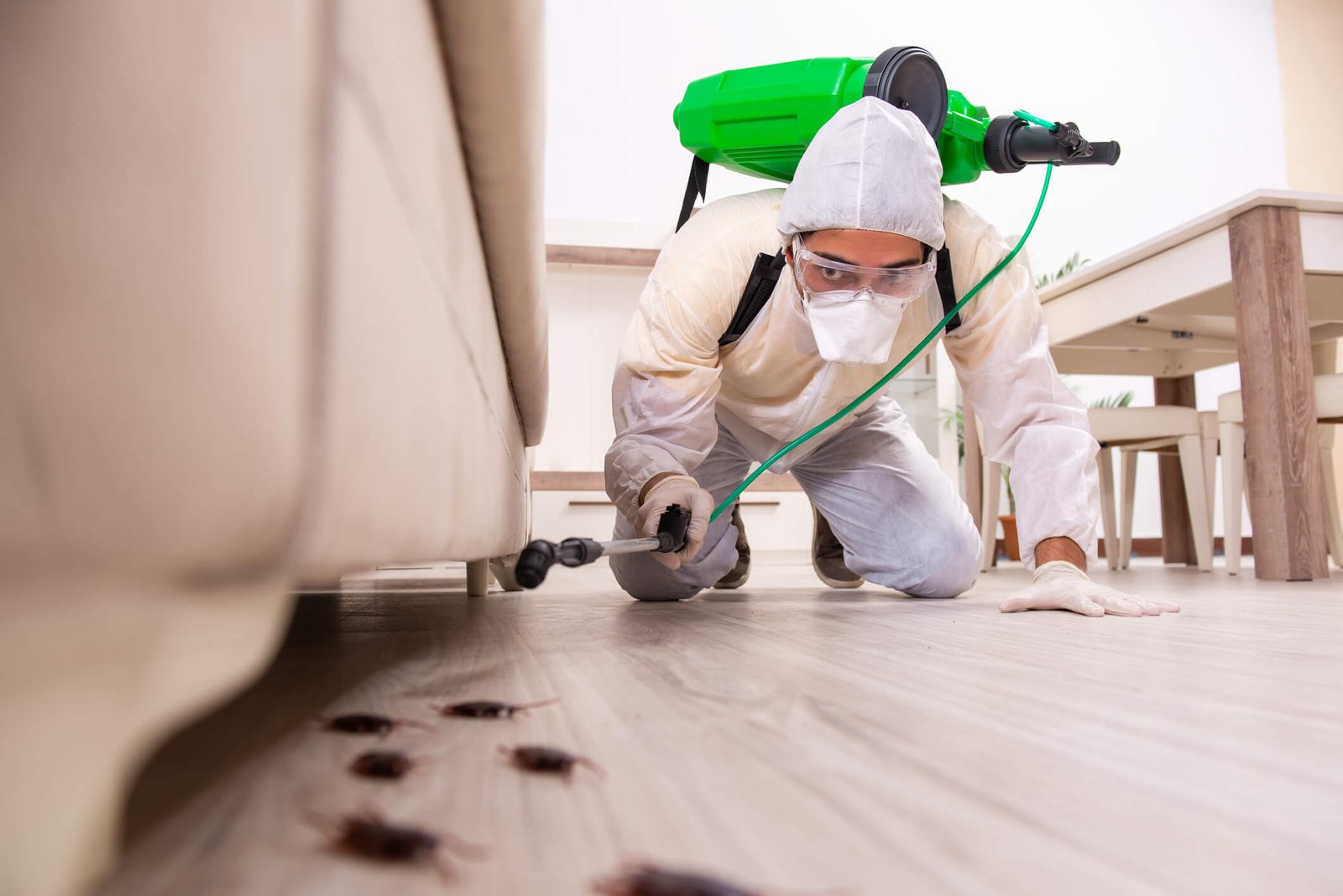
Moving home is stressful enough without discovering cockroaches in the kitchen or bed bugs in the bedroom a week later. The good news is that the days before you move in are the best time to deal with pests. This guide explains why pest control before moving is so effective, what to check, how to time it, and how to make sure you do not bring pests with you.
Why pest control before moving is so effective
An empty home is the easiest place to treat:
- Every surface is reachable. No furniture blocks skirting, corners or cabinet backs.
- Kitchen cabinets are empty, so gel and crack treatment can go exactly where cockroaches hide.
- No food or belongings need to be covered or moved.
- No family members or pets need to leave during treatment.
- Drying and ventilation can happen without disturbing anyone.
A treatment that might take several hours and a lot of preparation in a furnished home is faster and more complete in an empty one.
Pest control before moving: what to check
Previous occupants' pests
Pests often stay behind when people move out. Look for:
- Cockroach droppings (small black specks) in kitchen hinges and drawers.
- Dead cockroaches in cabinets or behind appliances.
- Bed bug signs — dark spots and shed skins on bed frames, wardrobes or skirting near where beds stood.
- Rodent droppings in store rooms, kitchens and roofs.
- Ant trails along skirting and window sills.
Termites
For houses and ground-floor flats, a termite inspection before you move in is essential:
- Tap door frames, especially at floor level, for hollow sounds.
- Look for mud tubes on walls, pillars and inside built-in wardrobes.
- Check for blistered paint and soft skirting.
- Ask the owner or previous tenant whether the property has had termite treatment, and ask for the certificate.
Our guide to termite signs in furniture and doors explains each sign.
Drains
Floor traps in empty homes often dry out, letting American cockroaches straight up from the sewer. Pour water into every trap, check covers and plan drain treatment.
Kitchen
The kitchen is where most pest problems start. Check under the sink, behind where the fridge and cooker stood, and inside every cabinet. Empty kitchens are the ideal time for gel treatment.
Roof, tanks and outdoor areas
For houses, check the roof for blocked drains and junk that holds water, water tank lids, the garden, servant quarters and garage.
Home Fumigation
Complete home fumigation in Karachi: one visit for cockroach, ants, khatmal and machar, priced by plot size. 72,000+ sites. Free inspection on WhatsApp.
Timing: how many days before moving?
Book the treatment two to five days before your furniture arrives. This gives:
- Time for treated surfaces to dry and the home to be ventilated.
- Time for gel bait to start working before food arrives.
- A buffer if a follow-up visit is needed for bed bugs or heavy cockroaches.
If termite drilling is needed, book it earlier — ideally a week or more before moving — so drilling dust is cleaned up and holes are sealed and finished.
Moving-in checklist
| When | Task |
|---|---|
| 1–2 weeks before | Inspection; termite check; get quotes |
| 1 week before | Termite drilling if needed; fix leaks |
| 2–5 days before | General treatment: kitchen gel, crack treatment, drains, all rooms |
| 1 day before | Ventilate; clean counters; check traps and covers |
| Moving day | Inspect your furniture and boxes as they come in |
| 2–3 weeks after | Follow-up if any pests seen; start your regular schedule |
Don't bring pests with you
Many infestations arrive in the removal truck:
- Check furniture — especially beds, sofas and second-hand pieces — for bed bugs before loading.
- Avoid old cardboard boxes from shops and markets; they often carry German cockroach egg cases. Use new boxes or plastic crates.
- Unpack kitchen boxes quickly and throw away cardboard.
- Wash bedding and curtains before putting them up.
- Check plants for ants and pests before bringing them inside.
If you had bed bugs in your old home, treat there first and carry mattresses in sealed covers. Our khatmal treatment guide explains preparation.
Before your first night: a quick room-by-room check
| Room | What to check |
|---|---|
| Kitchen | Hinges and drawers for droppings; under the sink; behind appliance spaces |
| Bathrooms | Floor trap covers; gaps around pipes; wooden door frames |
| Bedrooms | Skirting, sockets and wardrobe corners for bed bug signs |
| Store room | Droppings, gnawed material, termite mud on walls |
| Balcony | Drain covers; plant pots holding water; bird nests |
| Roof (houses) | Tank lids; roof drains; junk holding water |
| Servant quarters | Drains, doors and stored items |
Take photos of anything you find and share them with your technician before the visit — it helps them bring the right products.
Utilities and repairs to do at the same time
Pest control works better when the building is sound. While the home is empty, ask a plumber and handyman to:
- Fix leaking taps, pipes and cisterns — moisture attracts cockroaches and termites.
- Replace missing or broken floor trap covers.
- Seal gaps around pipes under sinks and behind toilets.
- Fit door sweeps on external doors.
- Repair window mesh.
Doing this before treatment means the technician can seal and treat in one visit, and pests have fewer ways back in.
Rented properties
If you are renting, ask the owner:
- When the property was last treated, and for what.
- Whether there is a termite certificate.
- Whether the owner will arrange treatment before you move in.
Many owners agree to treat before a new tenancy starts. If signs of pests appear within the first weeks, raise it quickly with the owner. For flats in large blocks, ask the union about the building's treatment schedule.
What does it cost?
The cost depends on the size of the home and what is needed. Use our pest control cost calculator for a range for a general treatment; for termites, the termite treatment cost calculator estimates by area. Our general fumigation service covers the whole home before you move in.
New homes in new societies
Newly built homes on the edge of the city — for example in Bahria Town or Scheme 33 — face termites from disturbed soil, snakes and rodents from open land and mosquitoes from construction sites nearby. Ask the builder whether pre-construction termite treatment was done, and get the certificate.
The National Pesticide Information Center's guide on where to start with pest control is a useful reference when deciding what treatment a new home needs.
Talk to Pest Tech
Send us your moving date, area and the size of your new home on WhatsApp, and we will schedule an inspection and treatment before your furniture arrives. Pest Tech has served Karachi homes since 2005. Written guarantee on every treatment — if pests return within the warranty period, we re-treat at no extra cost.
Frequently asked questions
How many days before moving should I do pest control?
Two to five days before furniture arrives for a general treatment, and a week or more before if termite drilling is needed.
Should I check my furniture for pests before moving?
Yes. Beds, sofas and second-hand furniture can carry bed bugs, and old cardboard boxes often carry cockroach egg cases. Check before loading.
How much does pest control before moving cost?
It depends on the home’s size and what is needed. Use our pest control cost calculator for a range; the price is confirmed after inspection.
Who pays for pest control in a rented property before moving in?
Many owners arrange it before a new tenancy. Agree it in writing, and raise any pests found in the first weeks with the owner promptly.